This video made by Broadly explores the traditional martial tattoos of women on the Pacific island of Timor in the village of Malaka and how those tattoos came to help them in World War II. Since most of the women were born in the 1930’s they experienced first-hand WWII and an invasion by the Japanese military. These women, for days on end, tattooed their arms and legs in order to appear as though they had a husband. This way when the Japanese came, they would not kidnap the women and turn them into sex slaves. Even though the women were not married, they knew it was the only way the Japanese forces would leave them be. For many years after the tradition of tattooing the body to represent marriage continued. But in more recent times the younger generations of women are not getting tattoos for any purpose. They do not see the need to mutilate their bodies in such a way. There is no threat of invasion or kidnapping and they do not see the need to be tattooed to represent their marriage.
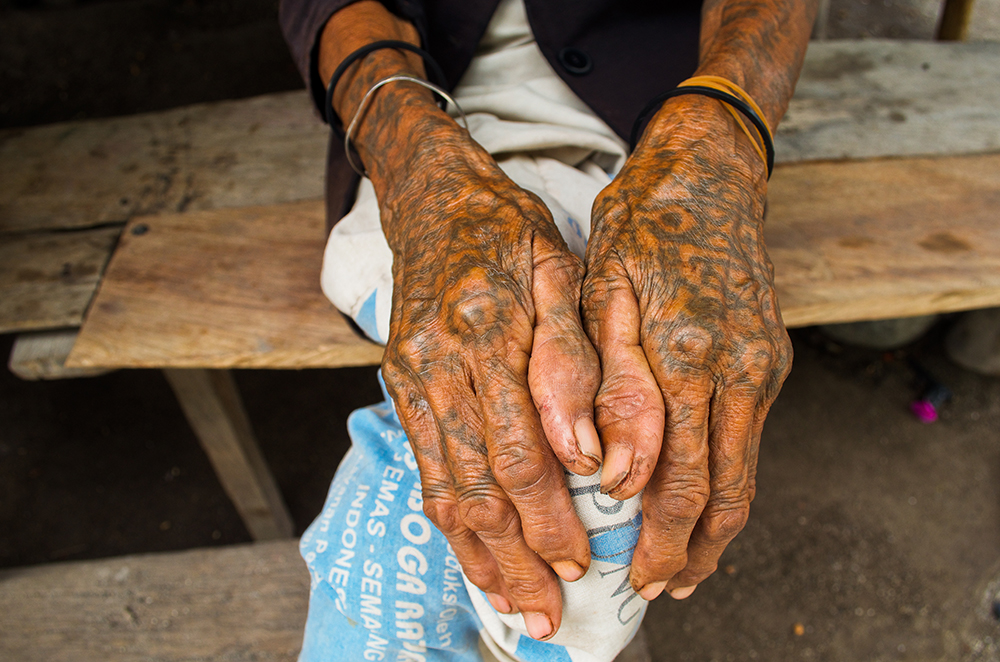
The use of their tattoos in this way gave them social power over the Japanese invaders. Though it was not an outright display of power in physical way we would normally think, they were able to control the actions of others. Meanwhile, the Japanese employed coercive power, threatening physical harm, in their attempts in kidnapping the women. The tattoos and the war together created group cohesion among the women. To this day they all feel they belong to this group within society. Every aspect of these women’s lives adds to this cohesiveness from the tattoos and their backstory to the way they act and their overall status in society. It is interesting to listen to the women speak. They throw around slang and have taken on a tough persona (though they would use another word for it). Their matriarchal society of course makes them the leaders only keeping the women close knit. As mentioned earlier, the younger generations of women deviated from the norm of being tattooed for marriage, they chose to go against what their society prescribed as acceptable. At the same time the older women deviated from the new norm. Of course, this is not something they could have controlled, after all they had been tattooed before the shift of the norm. It is interesting to compare tattoos in this society in comparison to the United States. Four out of ten Americans have at least one tattoo and it seems as though tattoos are becoming less of a deviant behavior (statista.com). Meanwhile, in Timor tattoos aren’t necessarily considered deviant behavior, but they are far less common than they once were. It wouldn’t be surprising if tattoos eventually were considered deviant behavior in the future.

word count: 469
https://www.statista.com/chart/9980/us-adults-with-a-tattoo/

 Megan's Blog