Vox’s video describes how race plays a role in our politics. In 2013, there were more non-white babies born than white babies. Many people believe that the growth of non-white populations in America is changing how we view America. In the state of California, the matter proved to be divisive, causing an 11% increase in support to support the Republican party. Interestingly, this trend was seen throughout races. When Obama became the first black president, the thought was that America would finally be able to see past race. However, we know the opposite to be true. His skin color became even more important somehow, both to the critics and to the supporters. More recently Trump was elected president. Where we had some sense of celebrating different races, it now took center stage for Trump’s and other Republican politicians’ campaigns. Non-white communities were/are said to be dangerous and action needs to be taken to protect, as Trump says, Christian values. At the same time, Democrats advocate for acceptance of all people. The video concludes by saying that as the populations of minorities grow so may the majority’s fear of losing their social standing. This in turn could lead a rise in the conservative politics as we see now.

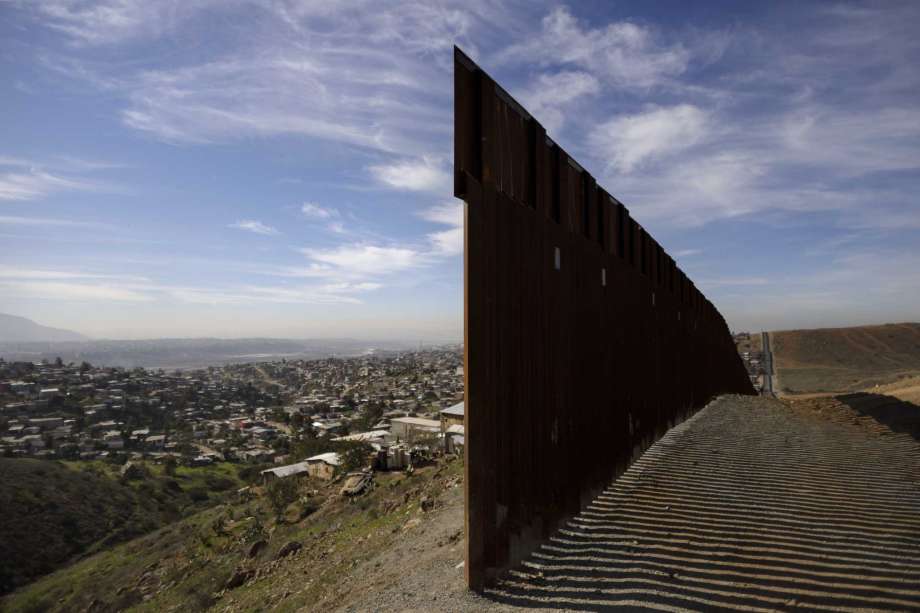
At first glance, it seems that white populations in America are simply concerned about loosing their majority status in society. Part of the concern may even be the fear of the unknown, they know how society is and has been and for them its comfortable. Out of fear, they turn to other people with power to protect them i.e. Californians voting conservatively and on measures against the interest of the minority. Further, when we hear negative things that are not necessarily true about certain minority groups, it solidifies those actions. While these prejudices are not founded in fact, they are believed, especially when an authority figure repeats them. If left unchecked, prejudices evolve into discrimination, were we don’t allow those deemed inferior to enjoy fair treatment. An example of prejudice in our current politics is the sentiments towards Mexicans. The is a prejudice that Mexicans are taking our health care, our jobs, robbing, killing, overall bad people. As such, many believe they should not be let in the country. In this situation, Latinos (not those just from Mexico) are facing discrimination both individual and institutional. Individual discrimination would occur should someone refuse a Latino service, wants them to leave a public facility, or any other act that might prevent their equal treatment. An example of institutional discrimination is the prevention of Latinos from entering the country. They are not being allowed the same access that a white European would have if they were to move to the country. Though it may seem today that many people feel this way and want to prevent entry with a wall, the Washington Post found that there is a decline in how many people support a border wall. While the Vox video does not address specific issues like this, it is important to know how race affects our politics.
word count: 512

 Megan's Blog